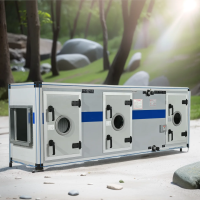
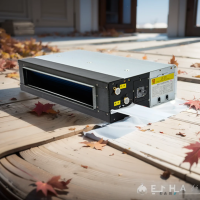
Energy efficiency has become a central focus in today’s HVAC systems, as buildings account for a significant portion of global energy use. Modern HVAC systems not only improve comfort but also reduce operational costs and environmental impact. With continuous advancements, these systems now provide smarter, more efficient solutions that align with sustainability goals.
HVAC systems consume 40%-60% of total energy in commercial buildings. Inefficient systems result in high energy waste and operating costs. Energy-efficient systems offer two primary benefits:
For instance, an office building upgraded to high-efficiency fan coil units reduced annual energy consumption by 25% and cut carbon emissions by 20 tons. This demonstrates the dual impact of cost savings and environmental responsibility.
Traditional HVAC systems often waste energy due to manual operation. Modern systems use sensors and algorithms to dynamically adjust to indoor and outdoor conditions. For example, during off-hours, HVAC units reduce heating or cooling power, cutting unnecessary energy use.
Example in Practice:
A commercial center with smart fan coil units achieved a 15% reduction in electricity costs through zone-specific temperature adjustments.
Heat exchangers are crucial to HVAC performance. Advanced materials and designs now improve heat transfer while reducing losses. For example, microchannel heat exchangers enhance energy efficiency and require less refrigerant, reducing environmental risks.
Fixed-speed systems often waste energy through frequent on-and-off cycles. Variable-speed compressors and fans dynamically adjust output based on demand. This approach lowers energy use and ensures consistent performance under changing conditions.
Energy efficiency extends beyond reducing costs. High-efficiency systems also address environmental challenges. By lowering energy consumption, they reduce dependence on nonrenewable resources and limit carbon emissions.
Case Study:
A logistics center implementing smart HVAC systems reduced carbon emissions by 50 tons annually. This achievement is equivalent to planting nearly 2,000 trees, demonstrating the broader benefits of energy-efficient technology.
Next-generation HVAC systems will integrate solar and geothermal energy, providing low-carbon solutions. For example, solar-powered cooling can meet daytime demands in sunny regions.
Modular systems allow flexible configurations tailored to building needs. Small homes can use single modules, while larger commercial buildings can scale with multiple units. This adaptability minimizes waste and initial investment.
AI-driven systems learn user habits and adapt automatically. For instance, they predict peak usage periods and adjust operation to maximize efficiency. They also optimize collaboration among multiple units in large facilities.
Energy efficiency is the cornerstone of modern HVAC systems. By adopting high-efficiency solutions with smart controls and advanced designs, users reduce costs and carbon footprints. These systems are vital for a sustainable future. If you’re looking for energy-efficient HVAC solutions, contact us today to explore how they can transform your building.