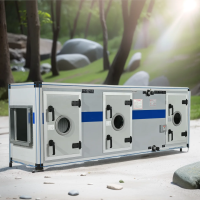
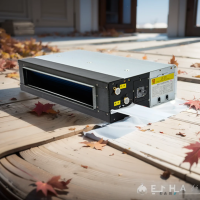
With stricter building energy codes and global sustainability initiatives, hydronic fan coil units are gaining popularity. They use chilled and hot water for heat exchange, which is more energy-efficient compared to direct expansion systems.
Traditionally dominant in hotels and offices, fan coil systems are now expanding into residential projects, premium apartments, and smart homes, thanks to their compact design and flexibility.
Modern fan coil units are increasingly equipped with digital thermostats, IoT connectivity, and building automation system (BAS) integration. This supports remote monitoring and optimized energy usage.
The market is paying more attention to indoor air quality. New designs emphasize better filters, UV sterilization options, and humidity control to meet higher health and safety standards.
Manufacturers are introducing EC (Electronically Commutated) motors in fan coil units. These motors improve energy efficiency, reduce noise, and extend service life.
Future fan coil systems will feature more modular options, allowing architects and engineers to tailor installations to project-specific needs while minimizing energy consumption.
There is a clear push toward combining hydronic fan coil systems with renewable energy sources, such as geothermal heat pumps or solar-assisted chillers.
Concealed installation and noise reduction technologies are being further developed to match modern interior design trends and improve occupant comfort.
Asia-Pacific: Rapid urbanization and commercial development are driving growth.
North America & Europe: Stricter regulations and sustainability initiatives accelerate adoption of high-efficiency water system fan coils.
The fan coil unit market is moving toward smarter, greener, and more versatile solutions. From EC motors to smart control integration and renewable energy compatibility, water system fan coil units are set to play an even more important role in the future of HVAC.
Q1: Which sectors will drive future demand for fan coil units?
A: Hotels, offices, healthcare, and high-end residential projects are the primary growth drivers.
Q2: What new technologies are emerging in the fan coil unit market?
A: EC motors, IoT-enabled thermostats, and advanced filtration systems are key innovations.
Q3: Are fan coil units suitable for sustainable building projects?
A: Yes, hydronic fan coil units are energy-efficient and can integrate with renewable energy systems.